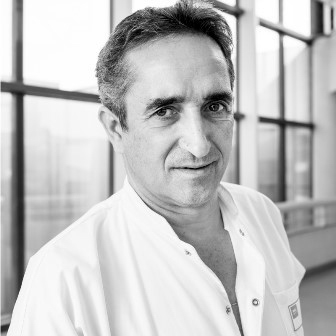
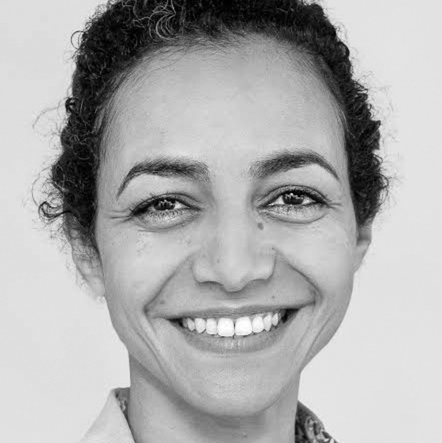
This short message is intended for people who are uncertain, who are apprehensive about HIPEC, who have doubts about the need for this operation, and who have questions about their physical abilities after surgery.
Following a routine operation for an inguinal hernia in November 2013 at the local hospital, the surgeon discovered a ruptured, inflamed appendix with a small amount of mucus in the peritoneum.
As a precaution, the surgeon advised me to consult a doctor at a specialist center to get an opinion on the presence of this mucus.
The verdict was blunt: pseudomyxoma peritonei. In plain language, this meant opening up the entire abdomen and cleaning the entire peritoneum. This was the first time I had heard the acronym HIPEC.
As sport is a huge passion of mine (6 days a week), I found it difficult to accept this decision. I tell myself that sports will be complicated after such an operation.
My wife does extensive research on the Internet and discovers that it is possible to perform HIPEC without opening the abdomen, but using laparoscopy.
We contact the center specializing in rare peritoneal tumors. After various tests and appointments, a short-term operation is proposed because the disease is progressing relatively quickly.
After a period of serious doubt and denial, I had to accept this solution, which would be inevitable in the long term anyway.
The summer vacation was canceled (GR20 in Corsica) and the operation was scheduled for June 2014.
This was a new challenge for me, different from the ones I take on in sports.
Mentally and physically, I prepared for the operation as if it were a big race (I had completed the Diagonale des Fous on Reunion Island three times, a 106-mile race with significant elevation changes).
The operation went as planned and without any problems (10 hours in the operating room).
The surgical teams are highly skilled and the post-operative services take great care of their patients.
Three weeks of care in the hospital, two months of convalescence at home, and a return to work in September 2014.
I think my “preparation” before this operation was the main reason for my ultra-fast return to a normal pace of life.
Since June 2014, my daily life has been punctuated by CT scans, MRIs, and blood tests. In itself, it’s reassuring to know that I’m being monitored by specialists.
I’ve started running, cycling, swimming, and skiing again—all the sports I used to do before the operation.
There are no longer any visible marks on my abdomen.
To prove to myself that I had recovered from this episode, I signed up once again for the Diagonale des Fous. I completed the race in October 2016 (two and a half years after the operation) and finished well after 58 hours of effort.
Three years after this operation, I want to share my positive experience through this story. Know that the highly professional medical teams will be there for you and will support you through these difficult times.
It is also important to have a good support network of family and friends to feel supported during this complicated period.